
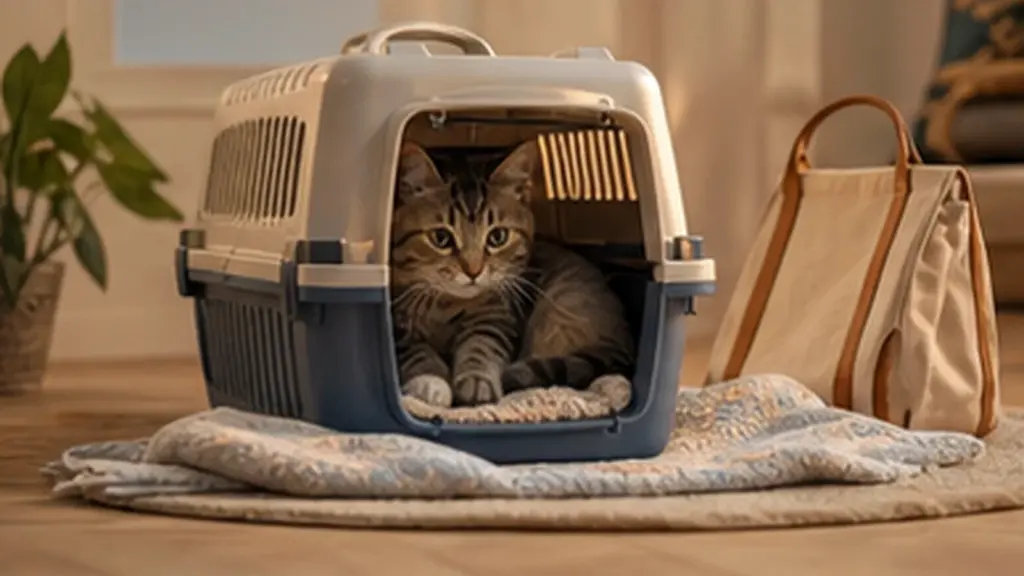
A resident cat does not automatically want a roommate because the roommate is small and cute.
Use this before the first nose-to-nose meeting, not after a hallway chase.
Quick Answer
Keep the kitten separate at first, trade scent, feed on opposite sides of a door, use brief supervised visuals and only progress when both cats can stay relaxed.
What To Do First
- Start with the kitten in a safe room.
- Swap bedding or scent cloths before face contact.
- Feed both cats near the closed door at a comfortable distance.
- Use a baby gate or cracked-door visual only after calm scent stages.
- End sessions before staring, chasing or swatting escalate.
Why This Works
Slow introductions protect the resident cat from feeling invaded and protect the kitten from learning fear.
Common Mistakes
- Do not drop the kitten in front of the resident cat.
- Do not hold one cat in place for a forced greeting.
- Do not punish hissing as if it is disobedience.
- Do not rush because one quiet moment went well.
When To Slow Down or Call the Vet
Call a veterinarian for bite wounds, scratches near eyes, injury, severe stress signs, appetite loss or sudden illness in either cat.
Related Kitten Guides
- Scent-swapping basics
- Safe room first
- Open the full kitten hub
- Use the first-week checklist
- Plan the vet path
Review Note
Source posture: CatWorldly checked Cornell Feline Health Center and Cat Friendly Homes on June 30, 2026 UTC for the general kitten-care boundaries used here. This page is educational; your local veterinarian is the authority for diagnosis, treatment, vaccines, medication and urgent symptoms.