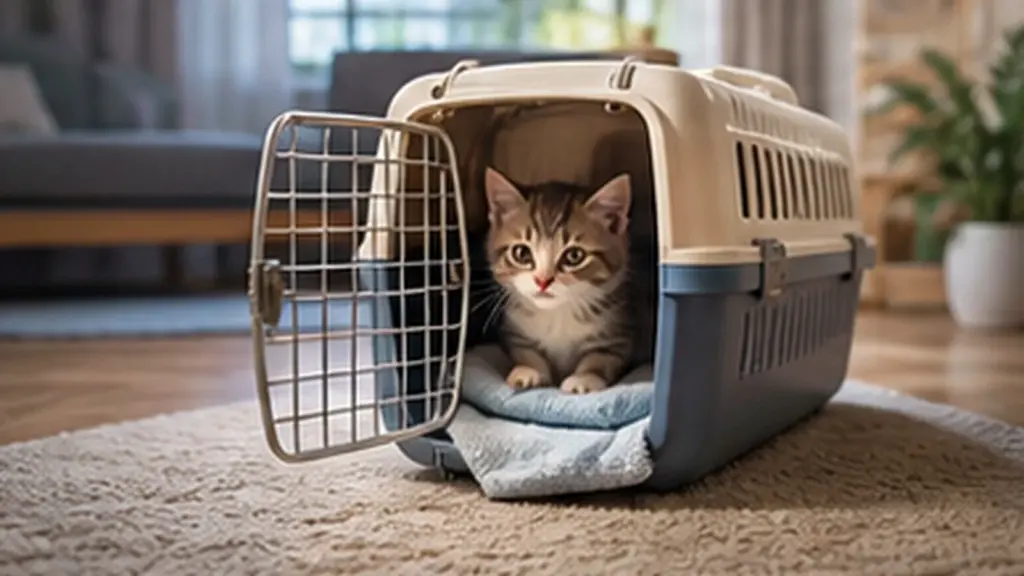
AI-generated CatWorldly illustration for Kitten Vet, Vaccines and Safety Checklist.
A kitten’s first vet visit is not a formality. It is the beginning of real protection.
A kitten may look bright and playful while still carrying parasites, infections or early health issues that only a trained exam can catch. Establishing veterinary care early gives the kitten a safer foundation.
Book the First Visit Early
A practical target is within the first few days after bringing the kitten home, ideally within one week. Bring every record you have: shelter paperwork, rescue notes, vaccine history, deworming dates and food information.
What the Vet Usually Checks
Weight, growth and body condition
Eyes, ears, mouth, skin and coat
Heart and lungs
Fleas, mites and intestinal parasites
Vaccination schedule
Deworming and parasite prevention
Spay or neuter timing
Feeding, litter and behavior questions
Core Vaccines
Core kitten vaccines commonly include protection against feline panleukopenia, feline herpesvirus and feline calicivirus, often combined as FVRCP. Rabies vaccination is also important and may be legally required depending on location.
Kittens usually receive vaccines as a series, not as one single appointment. Your veterinarian should set the schedule based on age, records, risk and local requirements.
Parasites Are Common
Fleas, worms and ear mites are common in kittens, especially those from outdoor, crowded or unknown environments. This is not a moral failure. It is a routine medical reality. Use veterinarian-approved treatments and correct dosing for age and weight.
Microchip, Spay and Neuter Planning
Microchipping helps a lost cat be identified if found by a shelter or veterinary office. It is not GPS, but it is a permanent ID. Spay and neuter planning helps prevent unwanted litters and can reduce hormone-driven behaviors such as roaming, spraying and mating stress.
Emergency Signs
Call a veterinarian or emergency clinic promptly for refusal to eat, persistent vomiting or diarrhea, difficulty breathing, extreme lethargy, pale gums, seizures, collapse, trauma, bleeding, straining to urinate, suspected toxin exposure or swallowing string or foreign objects.
Kittens have small reserves. Early action is better than late regret.
Adapted for CatWorldly from Tony Yustein’s How to Live With a Tiny God. This article is informational and does not replace veterinary diagnosis or treatment.