
A kitten’s first day begins before it reaches your floor. The carrier, the car ride, the new smells and the sudden silence of a new room are all enormous events to a small animal with no context for human plans.
The goal is not to make the first day exciting. The goal is to make it safe, quiet and understandable.
Bring the Kitten Home in a Real Carrier
Do not carry a kitten loose in your arms or lap. Use a secure, ventilated carrier with a soft towel inside. If the shelter, rescue or previous home can send a familiar-scented cloth, place it in the carrier so the kitten has one known smell during the transition.
Keep the trip direct. Avoid errands, loud music and unnecessary stops. A kitten may cry, freeze, tremble or refuse treats in transit. That is not drama. It is stress physiology. Your job is calm transport, not entertainment.
Use One Starter Room
When you arrive, take the carrier to the prepared safe room. Close the door. Sit down. Open the carrier and wait. Do not pull the kitten out to prove affection. Trust is not built by force.
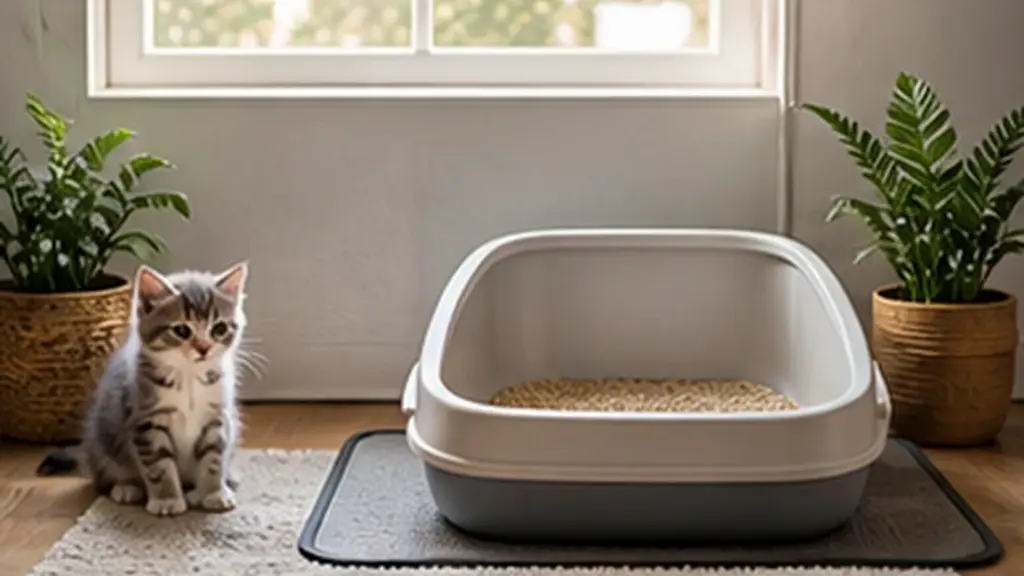
The starter room should already contain food, water, litter, a soft bed, a hiding place, a scratching surface and a few safe toys. This small room becomes the kitten’s first map of the home.
Show the Essentials First
- Place food and water away from the litter box.
- Keep the litter box visible and easy to reach.
- Use the same food the kitten has been eating if possible.
- Let the kitten hide without treating it as rejection.
- Use wand play only after the kitten begins to relax.
Hiding Is Normal
Many kittens hide on the first day. Under a bed, behind a box, inside a corner that looks impossible. This is adaptation. The kitten is small, the world is large, and caution is intelligent.
Sit nearby. Speak softly. Let the kitten watch you without pressure. Curiosity usually pulls against fear once the room becomes predictable.
The First Night
The first night can include crying. The kitten has left familiar smells, littermates and routine. Keep the kitten in the safe room. Provide warmth, bedding and a calm routine. Do not punish crying, shout through the door or create fear on the first night.
You can offer a quiet check-in, but avoid turning every meow into a frantic household event. Stability is comforting. By morning, the room will smell more familiar and the new world will start becoming home.
Adapted for CatWorldly from Tony Yustein’s How to Live With a Tiny God.