
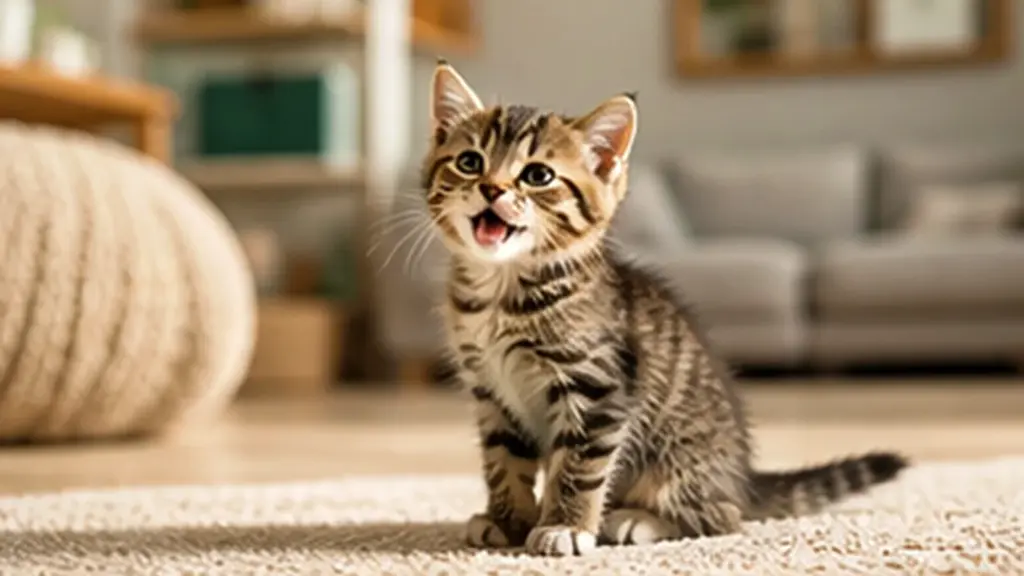
A litter box for a small kitten should be easy to find, easy to enter and boringly clean. Start with quiet placement, a low entry, unscented litter and a simple routine before blaming the kitten for accidents.
This guide is for readers setting up a first kitten litter box, fixing early accidents or checking whether diarrhea, pain or straining means the issue is medical instead of behavioral.
Quick Answer
Put one low-entry box in the safe room, keep food and water away from it, scoop at least daily and call a veterinarian for straining, blood, repeated diarrhea, pain or sudden litter avoidance.
Choose a Quiet, Reachable Place
Place the box where the kitten can find it easily. Avoid loud appliances, crowded hallways and corners where the kitten feels trapped. Privacy matters, but so does access. A kitten should not have to cross a frightening house to reach the box.
Separate Food and Litter
Cats do not want to eat beside waste. Keep food and water in a separate part of the starter room. This gives the kitten a cleaner map: eating happens here, elimination happens there, sleeping happens somewhere safe.
Keep It Clean
Scoop daily. Replace litter regularly. Wash the box as needed with mild, cat-safe cleaning. A dirty box is not a small inconvenience to a cat. It can become a reason to avoid the box entirely.
Use Simple Litter First
Unscented litter is often easiest for kittens. Strong fragrances are for human noses, not feline comfort. If the kitten came from a shelter, rescue or foster home, ask what litter it already knows and transition slowly if you need to change it.
Multi-Cat Homes Need More Boxes
A good baseline is one litter box per cat, plus one extra. Sharing can work, but conflict and stress often show up around resources. More boxes give cats choices and reduce silent tension.
If Habits Break Down, Think Health First
A kitten avoiding the litter box may not be stubborn. It may be sick, stressed, blocked from access, frightened by placement or reacting to an uncomfortable litter. Sudden changes deserve attention.
Never punish a kitten for litter trouble. Clean the area, check the setup, reduce stress and speak with a veterinarian if there are signs of pain, diarrhea, repeated accidents or straining.
Adapted for CatWorldly from Tony Yustein’s How to Live With a Tiny God.
Small Kitten Litter Box FAQ
Where should a kitten litter box go the first night?
Keep it in the kitten safe room, close enough to find without crossing a noisy home, but away from food, water and the sleeping spot.
What litter is safest to try first?
Use a simple unscented litter when you do not know the kitten’s history. If a shelter, breeder or foster used a specific litter, begin there and change slowly.
When is a litter problem a vet problem?
Call a veterinarian for straining, blood, repeated diarrhea, crying in the box, weakness, vomiting, refusal to eat or sudden accidents after the kitten had been using the box.